Are Log Burners Being Banned? A UK Stove Manufacturer’s Guide to the Facts
If you’ve read recent headlines about Andy Burnham and wood burning stoves, you could be forgiven for thinking a nationwide ban on log burners is imminent. The reality is less dramatic: the UK Government’s domestic burning consultation focuses on reducing emissions, not banning existing stoves. Here, we explain what is being proposed, why modern Ecodesign stoves differ from older appliances and what responsible stove owners need to know.
Firstly, Andy Burnham is not introducing a nationwide ban on log burners. Despite some sensational headlines, the proposed measures would not require homeowners to remove or replace existing stoves. Instead, the consultation focuses on the standards applied to future products and on stronger compliance with existing regulations. The consultation launched by DEFRA in January 2026 proposes:
– stricter emission limits for new stoves
– clearer emissions and health labelling
– higher penalties for suppliers selling non-compliant fuels, including wet wood
Why is DEFRA looking at domestic wood burning?
Air quality remains an important public health issue. DEFRA estimates domestic burning accounted for around 20% of UK PM2.5 emissions in 2023. However, this category includes all domestic solid-fuel burning, rather than emissions from modern Ecodesign stoves alone.
Too often, headlines discuss wood burning stoves as though every appliance performs the same way, but there is a huge difference between:
– Higher-emission setups and practices like open fireplaces, older or non-compliant stoves, poorly maintained appliances and burning wet fuel.
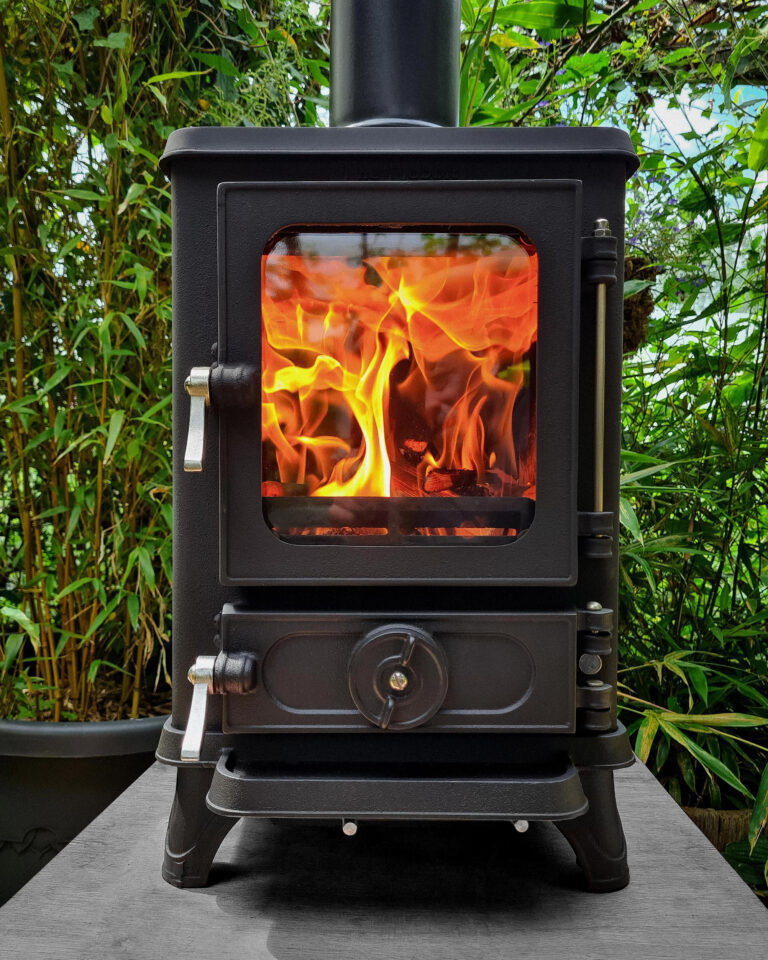
– And lower-emission, ecodesign-compliant stoves, which are properly maintained and burn dry fuel.
For example, a stove installed twenty years ago bears little resemblance to a modern Ecodesign model, which is designed to burn fuel more completely and efficiently.
It is widely accepted that open fires and older appliances produce substantially higher emissions than modern Ecodesign stoves – it’s estimated modern appliances can reduce particulate emissions by up to 90% compared with an open fire.
This is one reason why many within the industry support measures aimed at replacing older appliances rather than targeting the latest generation of wood burning stoves. As HETAS has argued, tightening standards for new appliances is welcome, but the greatest gains may come from addressing older stoves and open fires already in use.
Another fact often missing from news reports is emissions are heavily influenced by the fuel being burned. DEFRA has already introduced regulations for wood sold in smaller quantities. It must be dried below 20% moisture content and certified as Ready to Burn. This followed evidence showing wet wood produces significantly more smoke and particulates than properly seasoned or kiln-dried logs.
A modern stove burning wet wood will perform poorly. Conversely, a modern Ecodesign stove using dry, certified fuel will produce dramatically lower emissions. This is why the latest consultation includes proposals for stronger enforcement against suppliers selling non-compliant fuel.
What are some reports getting wrong?
Some reports group all domestic burning together. But open fires, older wood burning stoves and modern Ecodesign stoves produce very different levels of emissions. This does not mean emissions should be ignored. It means discussions should be evidence-based and proportionate.
What should stove owners do?
Whether or not further regulations emerge from the consultation, the advice for responsible stove ownership remains unchanged:
– Use a modern Ecodesign-compliant appliance where possible
– Burn only dry, Ready to Burn certified fuel
– Have your stove professionally installed
– Sweep your chimney regularly
– Follow the manufacturer’s operating instructions
– Avoid slumber burning and poor combustion practices
These steps reduce emissions, improve efficiency and help ensure wood burning remains a responsible heating choice.
Despite some headlines, there is no nationwide ban on log burners. The focus is on lowering emissions, with modern wood burning stoves, dry wood and professional installation helping to improve efficiency and reduce pollution.
Frequently asked questions
Are log burners being banned? No. The January 2026 consultation proposes tighter emission limits for new stoves, clearer labelling and stronger enforcement of existing fuel rules; it does not propose removing or replacing existing stoves.
Is there a UK log burner ban? No nationwide ban is proposed. The consultation is focused on reducing smoke and particulate emissions from solid-fuel burning. What are the wood burner regulations UK 2026? Current requirements include using compliant appliances and permitted fuels, following smoke-control-area rules (where applicable) and burning dry wood, which is Ready to Burn. The 2026 consultation considers additional standards for new appliances and clearer labelling.
What are the new log burner rules? The proposals cover stricter emission limits for new stoves, mandatory emissions and health labelling, and higher penalties for suppliers who breach existing fuel standards.
What is a DEFRA exempt stove? A DEFRA exempt stove is an appliance approved for use with specified fuels in a smoke control area, provided it is installed and operated in line with the manufacturer’s instructions and any exemption conditions.