Heat Output: What Size Wood Burning Stove Is Right for My Room?
Choosing the wrong size wood burning stove is one of the most common and costly mistakes homeowners make. Too small, and your room never heats properly. Too large, and you’ll overheat the space and waste fuel.
The key to getting it right is understanding heat output. In this guide, we’ll explain how stove kW works, how to calculate the right size for your room, and how to make sure you’re getting the most efficient performance from your stove.
How to Calculate the Correct Stove Size You Need
There is no one-size-fits-all when it comes to the correct stove heat output you need for your space, and there are different things you need to consider, such as the size of the room and the insulation level.
- Measure the room: Measure the length, width, and height of the room in meters.
- Calculate volume: Multiply L x W x H to get the volume in cubic metres ()
- Assess insulation:
- Poor Insulation (old house, few rugs, single glazing): Divide by 10
- Average Insulation (standard cavity wall, double glazing): Divide by 14
- Good Insulation (new build, high-spec insulation): Divide by 24
Example calculation
- A room measuring 5m × 4m × 2.4m = 48m³
- 48 ÷ 14 = 3.5kW stove needed
You can use this helpful stove heat output calculator.
| Room Size | Recommended Output |
|---|---|
| Small room | 3–5kW |
| Medium living room | 5–7kW |
| Large/open plan | 8kW+ |
Note: This is a general guide—factors like insulation, ceiling height, and open plan spaces will affect the final requirement.
What Affects the Size Stove You Need?
While the kW calculation is a great starting point, several factors can influence the ideal stove size:
- Insulation – Poorly insulated homes lose heat faster and may need a higher kW stove
- Ceiling height – Taller rooms increase overall volume
- Open-plan layouts – Heat disperses more, requiring greater output
- Number of windows – More glass = more heat loss
- Property age – Older homes are typically less efficient
What Factors Can Affect Stove Heat Output?
1. Poor burning habits
- Burning wet or unseasoned wood (always look for the Ready to Burn mark when buying firewood)
- Overloading the stove or not using enough fuel
- Failing to adjust air controls correctly
- Burning unsuitable materials
- Leaving the stove door open during operation
2. Lack of chimney maintenance
- Build up of soot, tar, and creosote restricting the safe escape of smoke
- Blockages in the flue reducing airflow and affecting combustion
- Damaged flue liners impacting overall stove performance
- Birds’ nests and other debris posing a fire risk and obstructing the chimney
3. Inadequate servicing
- Worn or damaged door rope allowing excess air into the fire
- Broken or worn internal components reducing burn efficiency
- Accumulated debris and creosote leading to reduced performance and potential damage
What does kW mean?
One of the key specifications for any wood burning stove is its heat output, measured in kW (kilowatts). The nominal output is the stove’s officially tested heat output, measured alongside its efficiency rating under standard conditions. This makes it useful for comparing different models.
Maximum output, on the other hand, shows the highest level of heat a stove can produce under test conditions.
While nominal output provides a consistent benchmark, maximum output can give a clearer picture of a stove’s full heating potential. In real world use, your stove’s performance will vary depending on factors such as fuel quality, airflow, and room conditions.
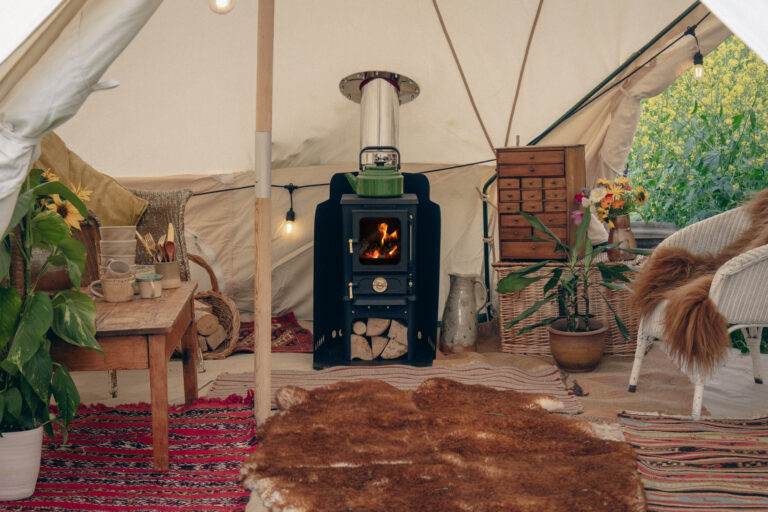
For example, The Hobbit Stove has a nominal output of 4.1kW, but can range from 3.1kW to 5.6kW (the maximum heat output).
Small Stoves for Small Spaces
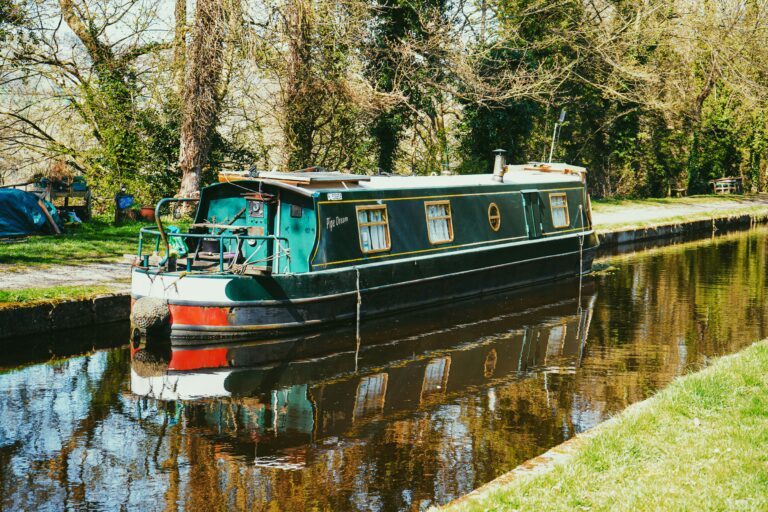
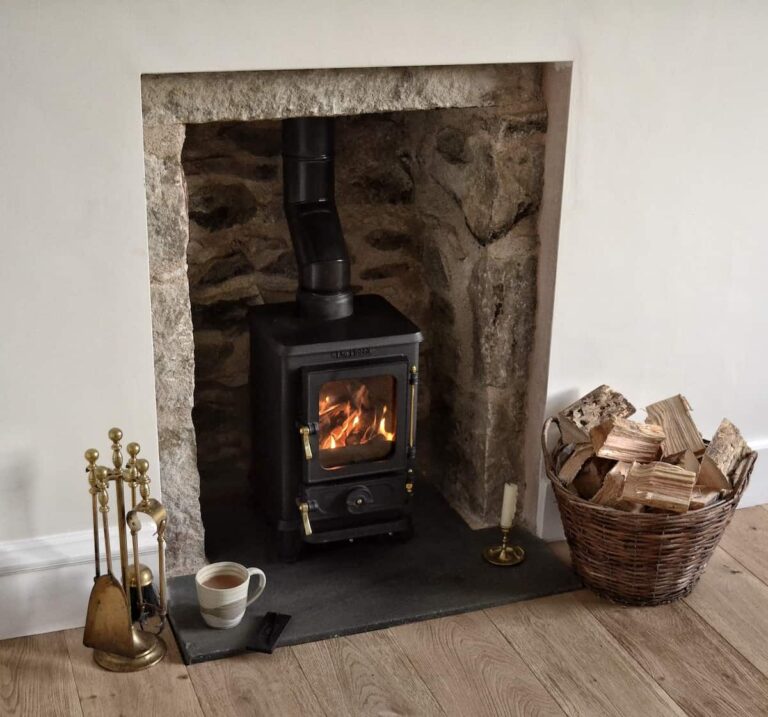
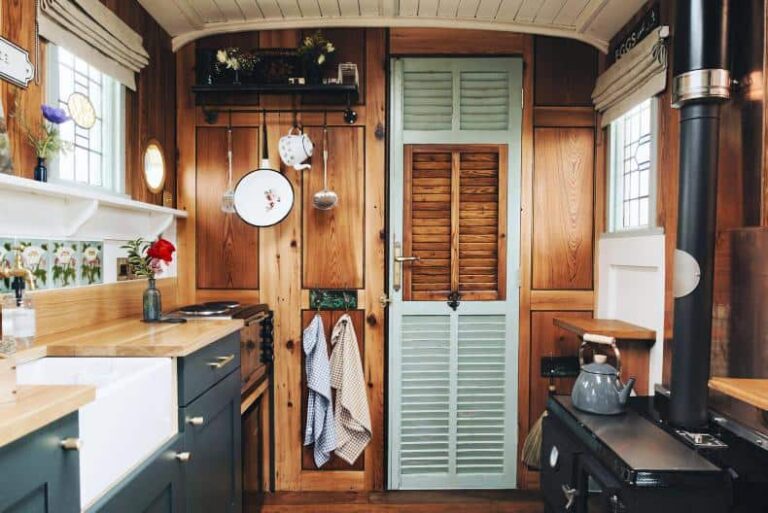
Specialising in small stoves for small spaces, we are well versed in knowing if your space is the right size for one of our small wood burning stoves. Our Hobbit Stove has a nominal heat output of 4.1kW, making it one of the best small wood burning stoves for small spaces such as shepherds’ huts, cabins, narrowboats, small rooms, garden rooms, sheds, and many other similarly sized spaces.
The Little Range Cookstove has a slightly larger nominal heat output of 4.3kW, with the addition of an oven and cooktop, again making the ideal stove if you don’t want a heat output too different from The Hobbit Stove but would like a bit more cooking versatility.
If you are unsure about whether our small stoves would be a good fit for your space, please don’t hesitate to contact us, and we would be happy to help! Sending through some photos and measurements is always helpful too.
In Conslusion
Coosing the right stove size comes down to understanding your room, your fuel, and how heat output really works. Get it right, and you’ll enjoy efficient, consistent warmth for years to come.