Rules and Regulations of Wood Burning Stoves
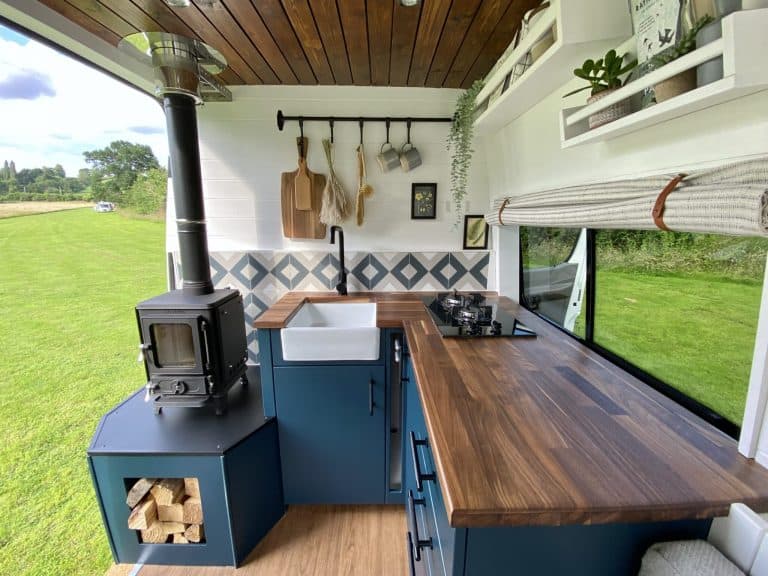
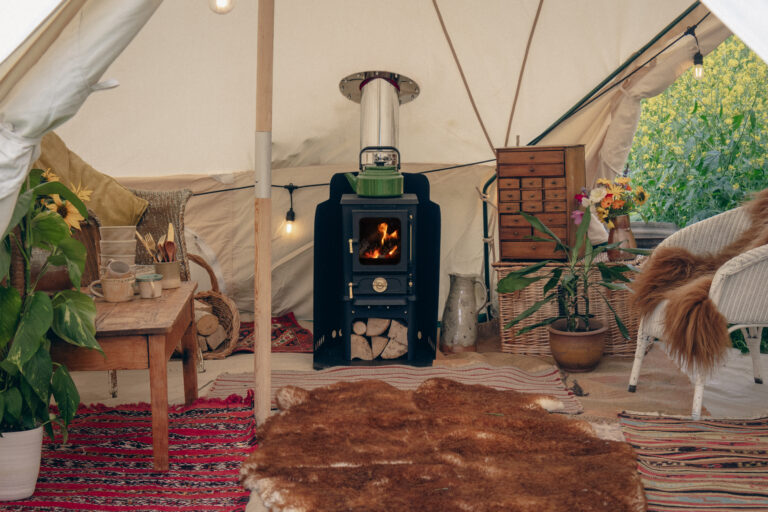
Installing a wood burning stove can transform your home, but there are important regulations and installation rules you must follow. From choosing an approved appliance to meeting ventilation and safety requirements, understanding wood burning stoves regulations will help ensure your stove is legal, efficient, and safe to use. We also have guides on the rules and regulations for installing a wood burning stove into shepherds’ huts, canal boats, yurts or bell tents, tiny homes, caravans, garden rooms or sheds and vans.
Wood Burning Stove Rules & Regulations in the UK
Do You Need Planning Permission for a Wood Burning Stove?
In most cases, you do not need planning permission for a standard wood burning stove installation. However, you are still legally required to follow Part J Building Regulations and meet all relevant safety regulation requirements.
Stove & Appliance Rules
- Ecodesign: Under current wood burning stoves regulations, all new appliances must meet strict efficiency and emissions standards. Since January 2022, any stove sold and fitted in the UK must comply with Ecodesign requirements as part of wider wood burning stoves rules.
- Smoke control areas: Many towns and cities in the UK are designated as smoke control areas. In these locations, wood burning stoves rules are stricter, and only approved fuels and appliances can be used. If you live in an SCA, your installation must include a DEFRA-exempt stove, which is certified to burn wood with low emissions and reduced smoke output.
- Carbon monoxide alarms: Legally, you need to install a carbon monoxide alarm in any room that has a solid fuel appliance.
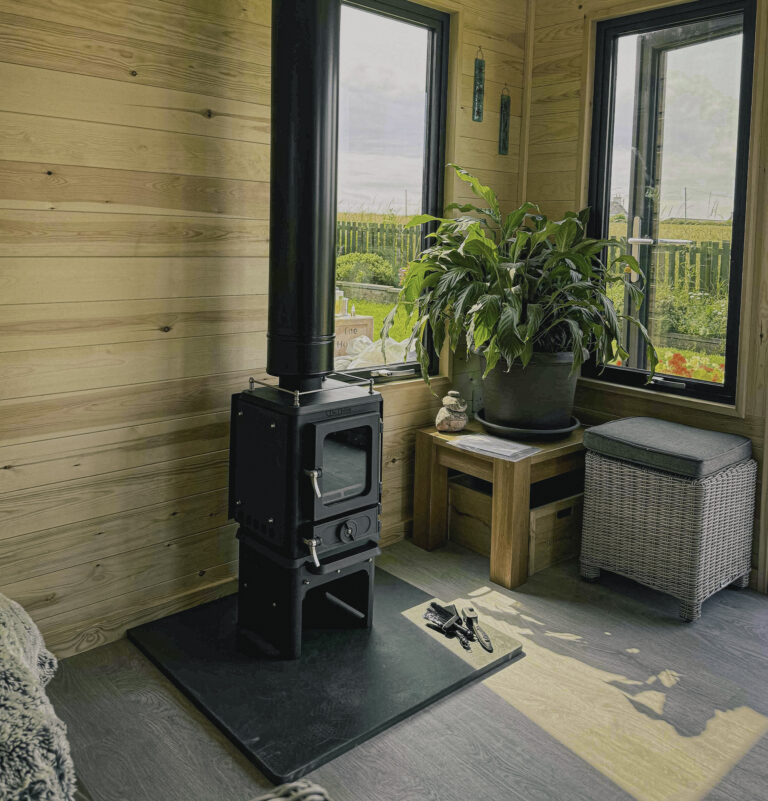
- Hearth and clearances: Your stove must sit on a non-combustible hearth of a specific thickness and size, and your stove manufacturer can advise. For example, our stoves have to sit on a 12mm thick hearth, measuring 225mm from the front of the stove and 150mm on each side.
Wood Burning Stove Installation Regulations
HETAS installer: Certification is a key part of the installation process. Hiring a HETAS registered installer is usually the most straightforward and cost effective option, as they can certify the work in line with building regulations. This is often simpler and cheaper than using your local council’s Building Control department to approve a DIY installation.
Chimney Requirements
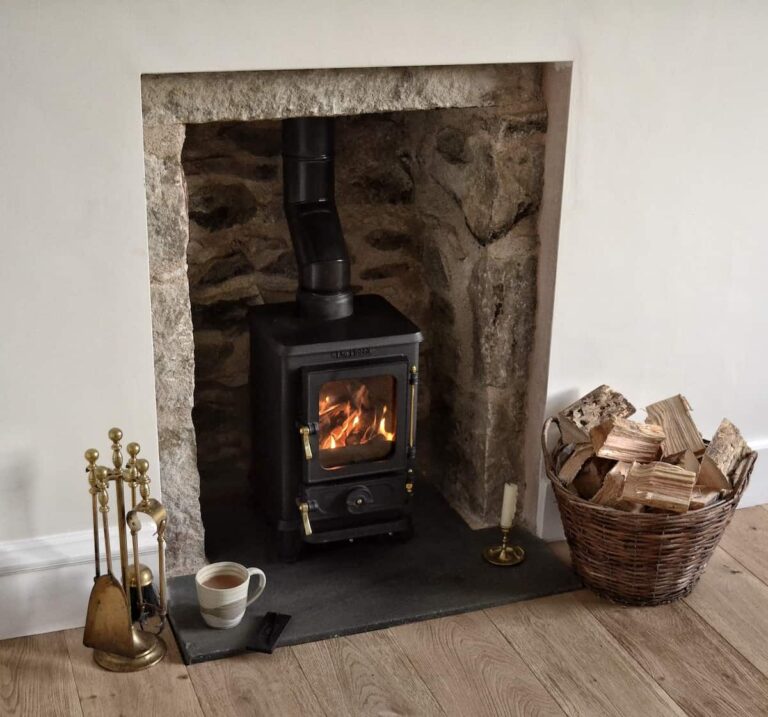
It is highly recommended that your chimney is lined. This usually involves fitting a flexible stainless steel flue liner inside the existing brickwork. This helps prevent dangerous gases and tar from leaking into the home and also really helps with a consistent draw.
If your property doesn’t have a chimney, you can still proceed with a stove installation. Instead, a twin wall flue system can be used. This is a rigid, insulated pipe that is installed through the ceiling and roof, or routed externally through a wall. This option is fully compliant with wood burning stoves regulations, provided it is installed correctly and meets building regulation requirements. We have designed both chimney flue kits and twin wall flue kits, see here.
Stove Output and Room Ventilation
The heat output of a stove is measured in kilowatts (kW), and it must be correctly matched to your room size. This is an important regulatory consideration during planning. A stove that is too small will struggle to heat the space effectively, while one that is too powerful can lead to overheating, often forcing you to open windows and waste fuel. Read our post here on how to calculate the right kW output for your room.
Ventilation is also a legal requirement under wood burning stoves rules. Any stove with a heat output above 5 kW, or installations in highly insulated modern homes, must include a permanent, non-closable air vent. This vent is typically installed through an external wall and ensures a safe and consistent oxygen supply for proper combustion, making it a critical part of compliant installation and safe operation.
Fuel Rules for Wood Burning Stoves
- Moisture levels: Under wood burning stoves regulations, fuel quality is tightly controlled to reduce pollution and improve efficiency. One of the key wood burning stoves rules is the moisture limit for firewood. In England, all firewood sold in quantities under 2 cubic metres must be certified as “Ready to Burn”, meaning it has a moisture content of 20% or less.
- Good quality fuel: Choose to burn seasoned, dry and untreated wood, to stop excessive smoke and harmful emissions. When it comes to burning coal, smokeless is always recommended.
Ongoing Maintenance Rules
Chimney sweeping: Your chimney should be swept at least once a year to reduce the risk of chimney fires, maintain efficiency, and ensure your stove remains compliant with safety installation and warranty requirements.
Wood Burning Stove Regulations Checklist
✓ Check if you live in a Smoke Control Area
✓ Choose an Ecodesign-compliant stove
✓ Use a HETAS-approved installer
✓ Ensure correct ventilation
✓ Install a carbon monoxide alarm
✓ Burn Ready to Burn wood
✓ Sweep the chimney regularly
Frequently Asked Questions
Do I need planning permission for a wood burning stove?
In most cases, you do not need planning permission for a standard wood burning stove installation.
Can I install a wood burner myself?
We would always reccomend using a HETAS installer, as even if you install the stove yourself it will still need to be signed off by a HETAS installer.
Are wood burning stoves being banned in the UK?
No, they are not being banned in the UK.
Do I need a chimney liner for a wood burner?
It is highly recommended.
Can I use a wood burner in a smoke control area?
Yes, you will just need to purchase a DEFRA-exempt stove which can be legally used in a smoke control area.